The Complex World of Automotive RF Testing: Ensuring Seamless Connectivity and Safety

As technology continues to advance, modern vehicles are becoming more than just a mode of transportation. They are transforming into sophisticated machines equipped with a wide array of electronic systems that rely on radio frequency (RF) technology for seamless connectivity and optimal performance.
In this blog post, we delve into the intricate world of automotive RF testing, exploring its significance in ensuring the reliability, safety, and efficiency of vehicles in our rapidly evolving technological landscape.
The Evolution of Vehicle Connectivity
Gone are the days when vehicles were equipped with just a simple radio antenna for AM/FM reception. In today's automotive landscape, vehicles boast a plethora of communication technologies, including:
- Radio broadcast antennas
- Mobile communications
- Navigation systems
- WLAN and Bluetooth
- RF central locking
- Self-driving systems using satellite communication
With the emergence of 5G and increased data demands, modern vehicles require multiple antennas to maintain connectivity and meet performance standards. This makes RF testing essential for proper design, integration, and function of these systems.
Testing the Immunity to Electromagnetic Interference
As vehicles become more technologically advanced, it is vital to ensure they are immune to electromagnetic interference (EMI). With hundreds of control units and kilometers of wiring within a single vehicle, testing immunity to external electromagnetic waves is necessary to prevent disruptions and malfunctions in critical systems.
Electromagnetic Compatibility (EMC) in Vehicles
Electromagnetic compatibility (EMC) ensures that the electronics within the vehicle do not emit interference and that they continue to function reliably when exposed to external fields.
EMC testing is essential to confirm that sensitive components — such as engine control, infotainment, and advanced driver assistance systems (ADAS) — operate flawlessly in any electromagnetic environment.
Achieving Optimal Reception Quality
Modern vehicles often require two or more antennas to manage growing data needs. These antennas must be carefully designed and tested to deliver high-quality reception while avoiding cross-interference between internal systems or communication lines.
Safety as a Top Priority
While connectivity and convenience are major drivers of innovation, safety remains the top priority in the automotive sector. RF testing ensures that electronic systems vital to safety — like collision detection, airbag deployment, and lane departure warnings — are immune to interference and function properly under all conditions.
The Role of Phoenix Group in Automotive RF Testing
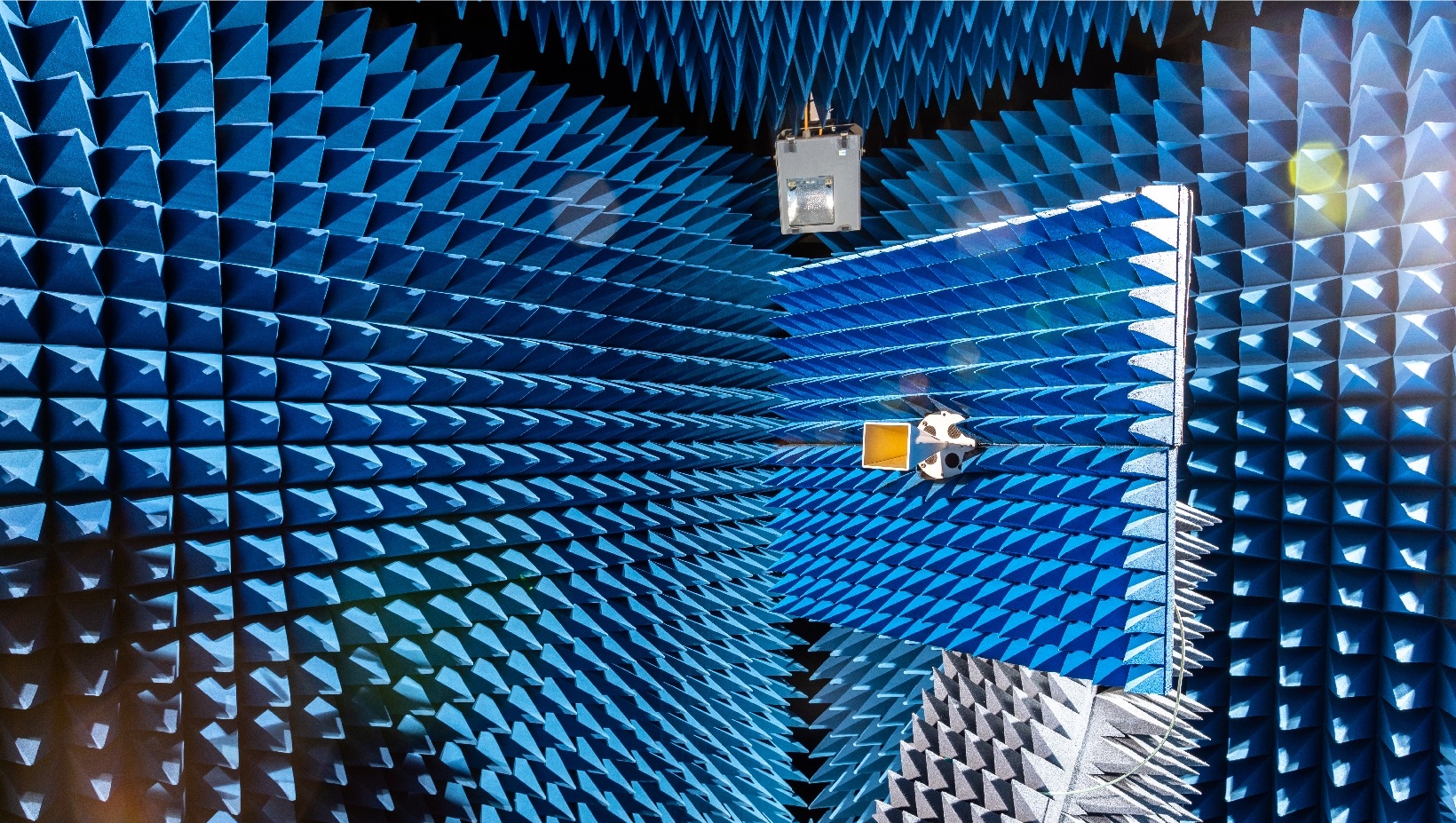
At Phoenix Group, we understand the critical importance of automotive RF testing in today’s vehicles. Our expert team provides comprehensive EMC and EMI testing solutions tailored to meet the demands of the automotive industry.
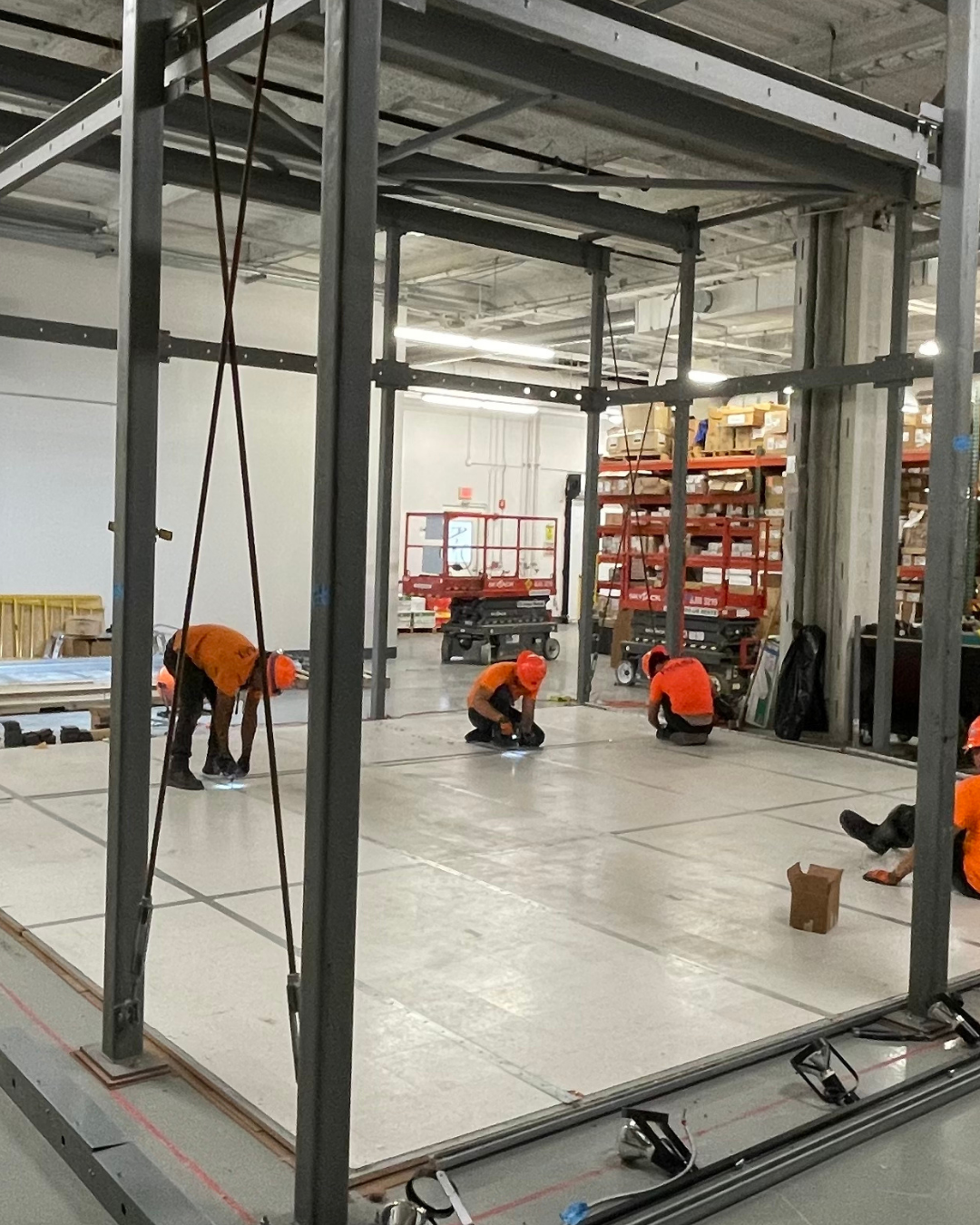
We take pride in delivering state-of-the-art test chambers and shielded environments using the most advanced technologies — ensuring precision, compliance, and peace of mind for automotive manufacturers and suppliers worldwide.
Driving Innovation with Confidence
The evolution of automotive technology has ushered in a new era of connectivity and innovation. With that progress comes increased complexity — and new challenges in maintaining reliable communication, performance, and safety.
Automotive RF testing is the backbone of this technological revolution. It ensures that systems communicate without interruption, operate safely, and meet strict electromagnetic compatibility standards.
At Phoenix Group, we are proud to support the future of mobility with industry-leading RF shielding and testing solutions. Together, we’re helping to create safer, smarter, and more connected vehicles for tomorrow’s roads.
Looking for automotive RF testing solutions? Contact Phoenix Group today to speak with our technical experts.
Phoenix Group – Building test environments that move technology forward.
Tags: Automotive RF Testing, RF Shielding, EMC in Vehicles, EMI Protection, Antenna Testing, Autonomous Vehicles, 5G Automotive, Phoenix Group