Understanding EMC and EMI: Why Electromagnetic Compatibility Matters
In today's interconnected world, electronic devices play a crucial role in our daily lives. From smartphones to laptops, cars, and household appliances, these technologies have revolutionized the way we communicate, work, and live.
However, the growing number and complexity of electronic devices have also led to an increase in electromagnetic interference (EMI) and electromagnetic compatibility (EMC) issues. In this blog post, we explore the concepts of EMC and EMI, their significance, and how they impact the reliability and safety of modern electronics.
What is EMC?
Electromagnetic Compatibility (EMC) refers to the ability of electronic devices, systems, or equipment to function correctly and efficiently in their intended electromagnetic environment without causing or experiencing interference.
In other words, EMC ensures that multiple devices can operate in close proximity without disrupting each other’s functionality.
The Importance of EMC
EMC is vital in today’s world because as the number of electronic devices increases, so does the risk of interference. Without EMC, performance may be compromised, leading to malfunctions, system errors, or even total failure.
Industries such as automotive, aerospace, telecommunications, and healthcare rely heavily on EMC compliance to ensure precision and reliability in critical applications.
Understanding Electromagnetic Interference (EMI)
Electromagnetic Interference (EMI) is the unwanted disturbance caused by electromagnetic signals from one device that negatively affect the performance of another. EMI can be conducted (transmitted through cables or power lines) or radiated (through electromagnetic waves).
Sources of EMI
EMI can originate from both natural and artificial sources, including:
- Natural phenomena – such as lightning or cosmic radiation
- Man-made sources – like electrical appliances, mobile phones, radio transmitters, and power lines
As devices become more compact and powerful, EMI risks increase, requiring proactive mitigation in design and manufacturing stages.
Impact of EMI
EMI can cause various levels of disruption, from minor glitches to life-threatening failures. Examples include:
- Disrupted communication or navigation systems in vehicles
- Interference in life-critical medical equipment
- Corrupted data or unexpected system behavior in industrial controls
Mitigating EMI is essential to ensure devices operate reliably and safely in all environments.
EMC / EMI Testing and Compliance
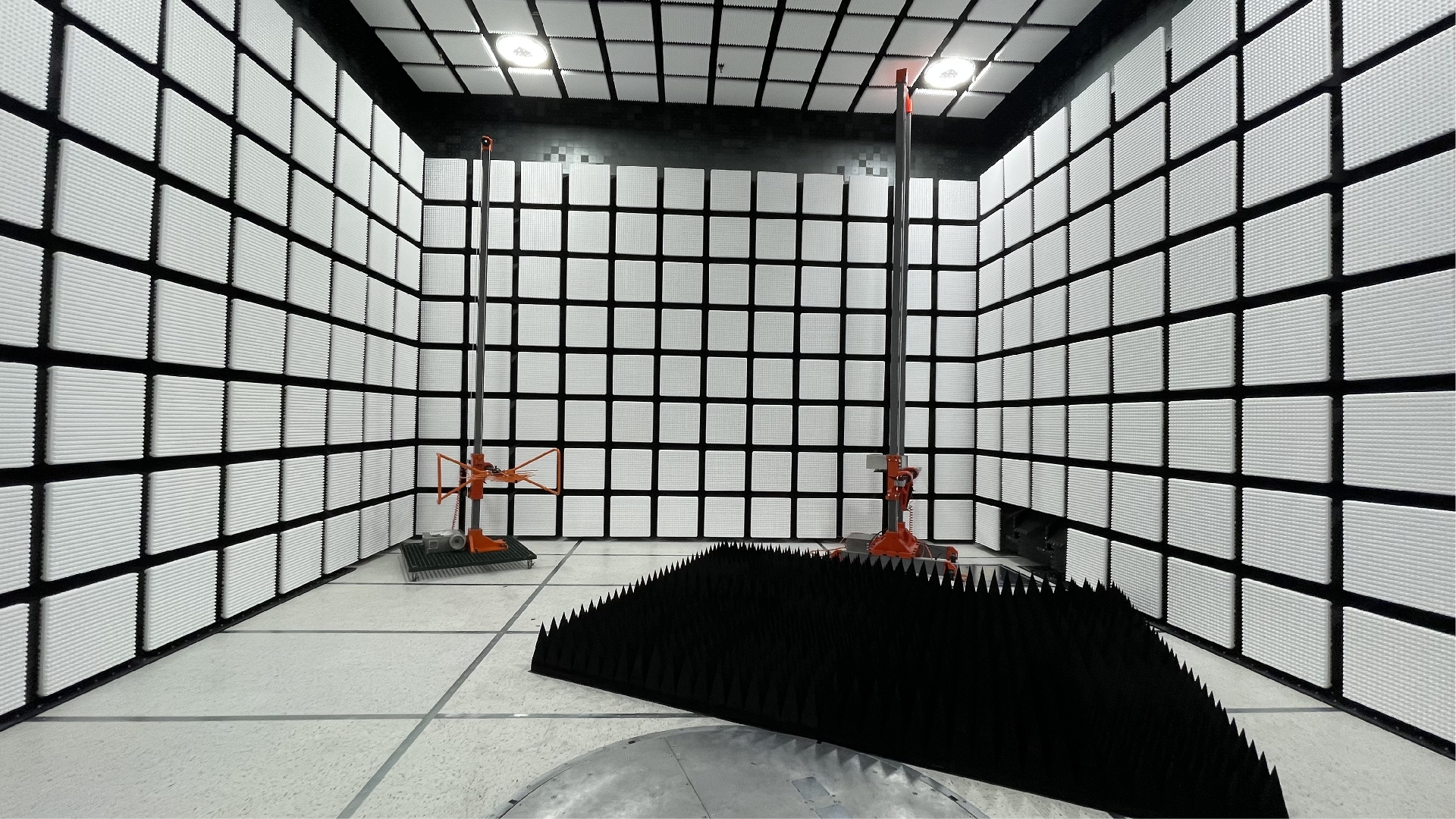
To ensure safety and functionality, manufacturers conduct thorough EMC and EMI testing. Devices are exposed to electromagnetic environments to test performance and resilience.
Compliance with international standards — such as those from the FCC (Federal Communications Commission) and IEC (International Electrotechnical Commission) — is mandatory in many industries.
Techniques for EMI Mitigation
Engineers apply several methods to minimize EMI and ensure EMC compliance. Common techniques include:
- Proper Grounding and Shielding: Using conductive enclosures (like Faraday cages) to block external interference.
- Filtering: Adding filters to power or signal lines to reduce electromagnetic noise.
- Signal Isolation: Using isolation components to prevent interference between circuit sections.
- PCB Layout Optimization: Designing PCBs with strategic placement and routing to minimize signal interference.
Conclusion: Building a Reliable Electromagnetic Future
Electromagnetic Compatibility (EMC) and Electromagnetic Interference (EMI) are critical considerations in the design and performance of electronic devices. As our dependency on technology grows, so does the importance of addressing these issues.
By adhering to global standards and applying smart design principles, manufacturers can create products that operate safely, reliably, and without conflict in an increasingly dense electromagnetic world.
Understanding EMC and EMI not only improves device performance — it paves the way for innovation that enhances lives, drives industry forward, and secures the technology of tomorrow.
References
- "Introduction to Electromagnetic Compatibility" – Clayton R. Paul
- "EMC for Product Designers" – Tim Williams
- "Electromagnetic Compatibility Engineering" – Henry W. Ott
- "EMC for Systems and Installations" – Tim Williams and Keith Armstrong
- "Electromagnetic Compatibility: Principles and Applications" – David A. Weston
Tags: EMC, EMI, Electromagnetic Compatibility, Interference Mitigation, Shielding, RF Testing, PCB Design, Phoenix Group

