The Fundamentals and Applications of RF Testing
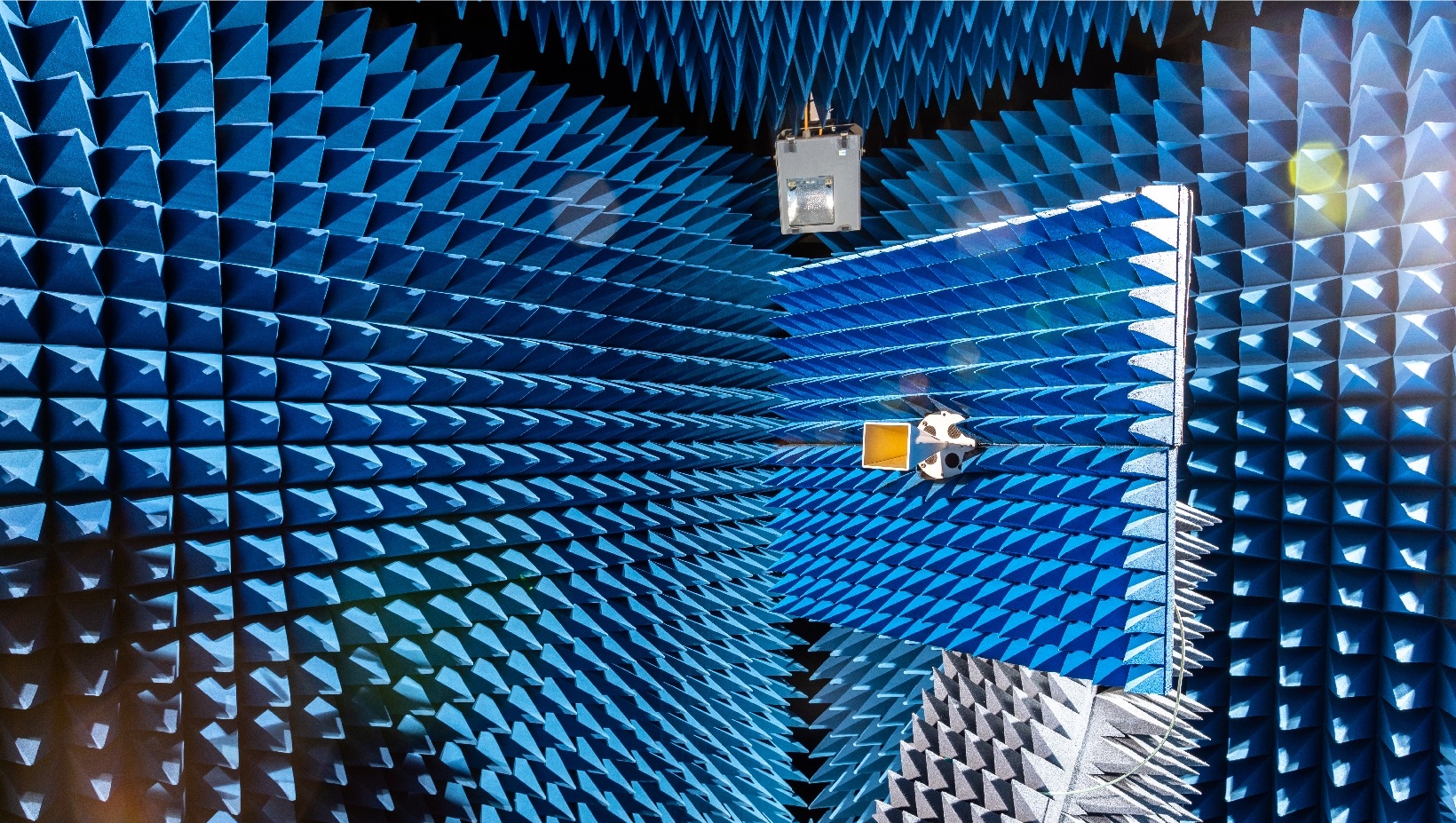
Radio Frequency (RF) technology is the backbone of modern communication systems. From wireless networks and smartphones to satellites and radar systems, RF plays a pivotal role in transmitting and receiving data.
However, ensuring the seamless operation of these RF-enabled devices requires meticulous testing and analysis. In this blog post, we delve into the fascinating world of RF Testing, exploring its significance, methodologies, and applications across various industries.
What is RF Testing?
RF Testing is a specialized process that involves evaluating the performance, reliability, and compliance of electronic devices and systems that utilize radio frequency technology.
It encompasses a wide range of tests aimed at assessing the behavior of RF components and devices under various operating conditions. The ultimate goal of RF Testing is to validate that these devices meet specific standards, perform optimally, and remain free from interference.
The Significance of RF Testing
The need for RF Testing arises from the complex nature of radio frequency signals and the potential for interference in our increasingly connected world. Without proper testing, RF devices may experience:
- Signal degradation
- Range limitations
- Unintended interactions with other RF systems
RF Testing ensures that devices meet stringent industry standards, guaranteeing their safe and reliable operation in all environments.
Types of RF Testing
1. RF Performance Testing
This testing evaluates overall RF device performance, including signal strength, frequency response, sensitivity, and power output. It ensures devices operate within defined specifications.
2. RF Emission Testing
Emission testing measures the electromagnetic radiation emitted by a device. It ensures RF devices do not emit harmful levels of RF energy or cause interference with other equipment.
3. RF Immunity Testing
Also known as susceptibility testing, this process evaluates a device's ability to operate correctly when exposed to external RF signals. It verifies robustness in complex RF environments.
4. RF Conducted Testing
This type measures interference and noise transferred through power or data cables. It helps identify issues with conducted emissions that may impact other connected systems.
RF Testing Applications
1. Telecommunications
In telecom, RF Testing ensures optimal performance and seamless connectivity of wireless networks, cell towers, smartphones, and routers.
2. Internet of Things (IoT)
With the rapid expansion of IoT ecosystems, RF Testing verifies communication integrity and security between connected devices in smart homes, cities, and industries.
3. Aerospace and Defense
RF Testing is critical in validating the operation of radar, avionics, satellite systems, and military communications — often under extreme environmental conditions.
4. Automotive
Connected vehicles rely on RF for GPS, Bluetooth, Wi-Fi, and V2X communication. RF Testing ensures these systems are accurate, safe, and free from interference in real-world scenarios.
5. Medical Devices
RF-enabled medical equipment must meet strict safety and performance standards. Testing ensures reliable data transmission, especially in life-critical healthcare environments.
The Vital Role of RF Testing
The world of RF Testing is a fascinating and essential part of modern technology. From everyday communication to mission-critical systems, RF devices support our connected world.
By subjecting these devices to comprehensive testing, we ensure they deliver optimal performance, reliability, and compliance with international standards.
As technology continues to evolve, RF Testing will remain a cornerstone in the design, development, and validation of wireless devices — empowering industries and transforming how we live, work, and communicate.
References
- "Introduction to Radio Frequency Design" – Wes Hayward, Rick Campbell, and Bob Larkin
- "RF and Microwave Wireless Systems" – Kai Chang
- "Principles of Wireless Communication" – T.S. Rappaport
- "RF Measurements for Cellular Phones and Wireless Data Systems" – Vance J. Harwood and Roger D. Pollard
- "Radio Frequency Circuit Design" – W. Alan Davis and Krishna Agarwal
Tags: RF Testing, RF Performance Testing, RF Emission, RF Immunity, RF Conducted Testing, Wireless Devices, Telecommunications, Aerospace RF, IoT, Phoenix Group