Understanding RF Shielding Effectiveness
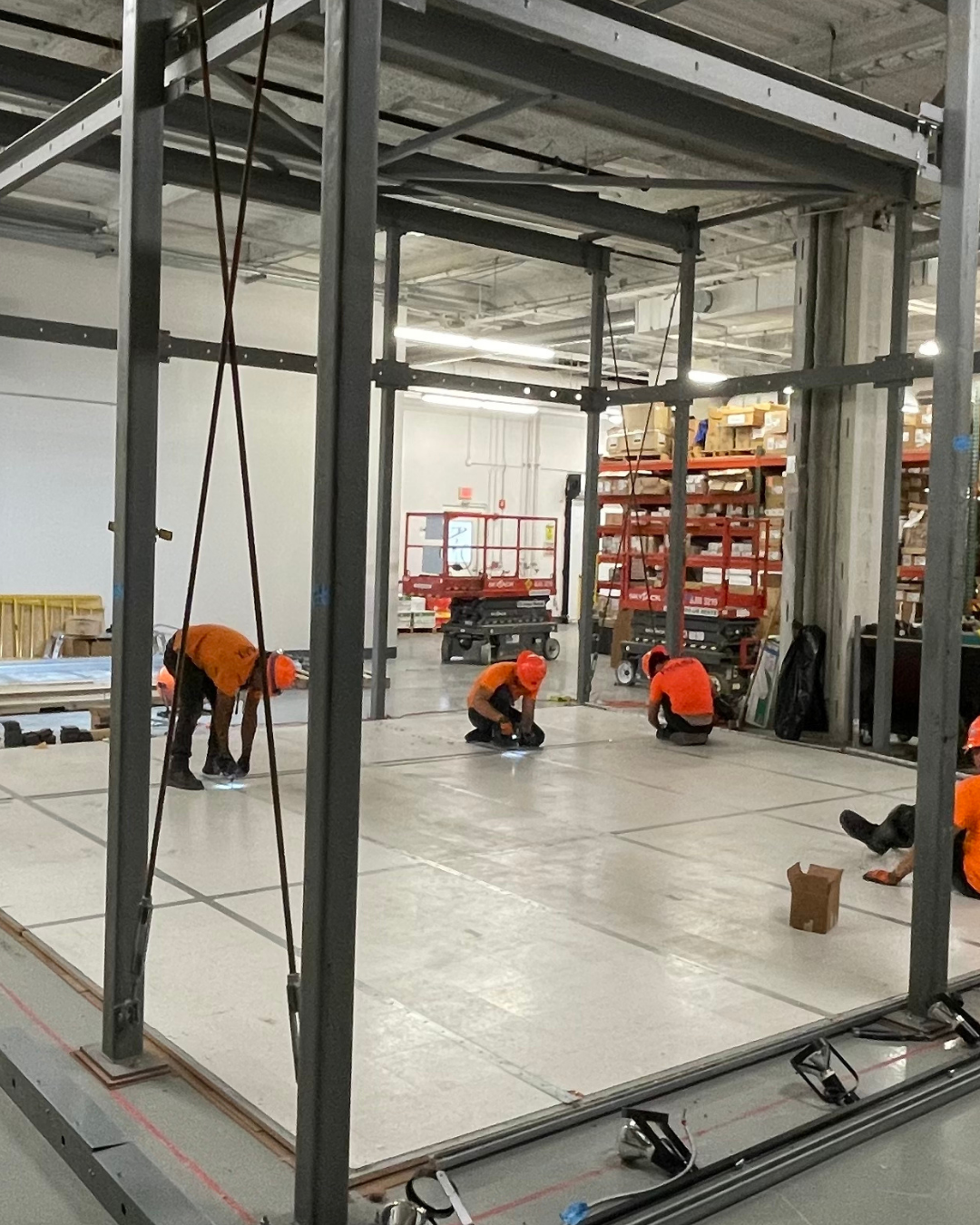
Radio‑frequency (RF) shielding plays a vital role in protecting sensitive electronics from unwanted electromagnetic interference (EMI) and ensuring accurate, reliable performance. But what makes a shielding system effective? It comes down to design, materials, and real-world validation.
How RF Shielding Works
RF shielding creates a continuous conductive barrier—typically metal enclosures, mesh, or conductive coatings—that reflects, absorbs, or redirects electromagnetic energy. This principle is rooted in Faraday cage theory, where external signals are kept out, and internal emissions are contained :contentReference[oaicite:1]{index=1}.
Key Factors Influencing Effectiveness
- Material conductivity & thickness: High-conductivity metals like copper, aluminum, and steel provide better attenuation. Thicker materials further improve shielding :contentReference[oaicite:2]{index=2}.
- Enclosure integrity: Even small gaps, seams, or improperly sealed apertures can drastically reduce performance :contentReference[oaicite:3]{index=3}.
- Frequency range: Shielding materials respond differently across RF frequencies. Selecting the right material and absorber/gasket solutions is critical :contentReference[oaicite:4]{index=4}.
Quantifying Shielding Strength
Shielding effectiveness is measured in decibels (dB), representing the reduction in signal amplitude before and after shielding. Effective chambers typically achieve 60–100 dB or more, with military-grade standards demanding 100 dB+ :contentReference[oaicite:5]{index=5}.
For example, amid Wi‑Fi testing, shielding boxes are expected to reduce signals down to –100 dBm, matching stringent IEEE and FCC benchmarking requirements :contentReference[oaicite:6]{index=6}.
Optimizing Through Design & Manufacturing
Beyond material choice, practical design matters. Modus Advanced highlights several critical factors: corner radii, wall thickness, gasket integration, and seamless construction—all of which influence manufacturability and effectiveness :contentReference[oaicite:7]{index=7}.
Additionally, combining RF shields and absorbers helps mitigate internal reflections—absorbing stray signals that could create false readings :contentReference[oaicite:8]{index=8}.
Testing & Real-World Validation
Even the best design must be tested. Annual validation of shielding effectiveness is essential, particularly before compliance testing :contentReference[oaicite:9]{index=9}. Measuring attenuation across relevant frequencies ensures the system performs under real-world conditions.
Why This Matters for Phoenix Group Clients
At Phoenix Group, we understand that effective RF shielding is not just theoretical—it’s fundamental to accurate engineering outcomes. That’s why we:
- Select materials based on project frequency range and performance needs
- Ensure enclosure integrity with clean seams, conductive gaskets, and precision fabrication
- Complement shielding with absorbers to eliminate internal reflections
- Validate performance with post-installation testing to confirm dB-level attenuation goals
Conclusion
RF shielding effectiveness is determined by the interplay of material, design, assembly, and testing. By focusing on best practices—from conductive materials and clean closures to absorbers and compliance testing—Phoenix Group delivers shielding environments that meet the highest standards of performance and reliability.
Need RF shielding that works—without surprises? Contact us today to discuss how we can support your project.
Related Posts
The Fundamentals and Applications of RF Testing

The Complex World of Automotive RF Testing: Ensuring Seamless Connectivity and Safety

The Impact of RF Testing on Our Modern World: A Closer Look at its Applications and Importance

