The Impact of RF Testing on Our Modern World: A Closer Look at its Applications and Importance

Radio Frequency (RF) testing plays a crucial role in shaping our modern world, driving innovation, and ensuring the seamless functioning of various technologies. From smartphones and smart homes to automotive and aerospace industries, RF testing is at the heart of ensuring electromagnetic compatibility (EMC), minimizing electromagnetic interference (EMI), and supporting reliable communication.
In this blog post, we explore the diverse applications of RF testing across key industries — and how it contributes to building a safer, smarter, and more connected reality.
1. Advancing Telecommunications and Mobile Connectivity
RF testing is fundamental to the development of global telecommunications. It ensures that wireless devices — such as smartphones, tablets, and wearables — operate efficiently and without mutual interference.
Engineers use RF testing to optimize antenna designs, assess signal strength, and improve network performance. The result: seamless, high-speed communication that connects people across continents in real time.
2. Enabling Smart Homes and IoT Devices
Smart homes and IoT (Internet of Things) devices depend on RF communication to interact, automate tasks, and share data. From voice assistants to security cameras and thermostats, these devices need to operate in harmony.
RF testing ensures that connected devices function reliably and securely — enabling users to control environments remotely, access insights, and enjoy an interconnected lifestyle without interference or signal loss.
3. Revolutionizing the Automotive Industry
With the rapid rise of ADAS (Advanced Driver-Assistance Systems) and autonomous vehicles, RF testing is now a cornerstone of innovation in transportation.
It supports the development of V2V (vehicle-to-vehicle) and V2I (vehicle-to-infrastructure) communication, radar and lidar sensors, and keyless entry systems. Proper testing guarantees performance, safety, and compliance in real-world conditions.
4. Enhancing Aerospace and Satellite Communication
Aerospace and satellite communication systems demand the highest levels of reliability. RF testing validates that avionics, radar systems, and satellite transceivers can operate in harsh environments with zero tolerance for failure.
It ensures clear transmission and reception of signals across global networks — supporting everything from weather forecasts and GPS to defense and space exploration.
5. Empowering Healthcare and Medical Devices
In healthcare, RF testing is vital for the safety and effectiveness of wireless medical technologies. Devices such as pacemakers, infusion pumps, and remote monitoring tools must operate safely around other sensitive equipment.
RF testing enables compliance with strict medical standards, ensuring patient safety and supporting the growth of telemedicine and wearable health technologies.
6. Securing National Defense and Public Safety
Military and emergency response systems rely on RF communication for surveillance, navigation, and secure data transmission. In these critical fields, failure is not an option.
RF testing ensures mission-critical equipment functions correctly, even under extreme conditions, helping maintain national security and support disaster response efforts when it matters most.
Conclusion: RF Testing Is the Backbone of Modern Innovation
RF testing is the unseen force behind the technologies we use every day. It ensures interoperability, performance, and safety across an incredibly wide range of sectors — from everyday conveniences to life-saving and mission-critical applications.
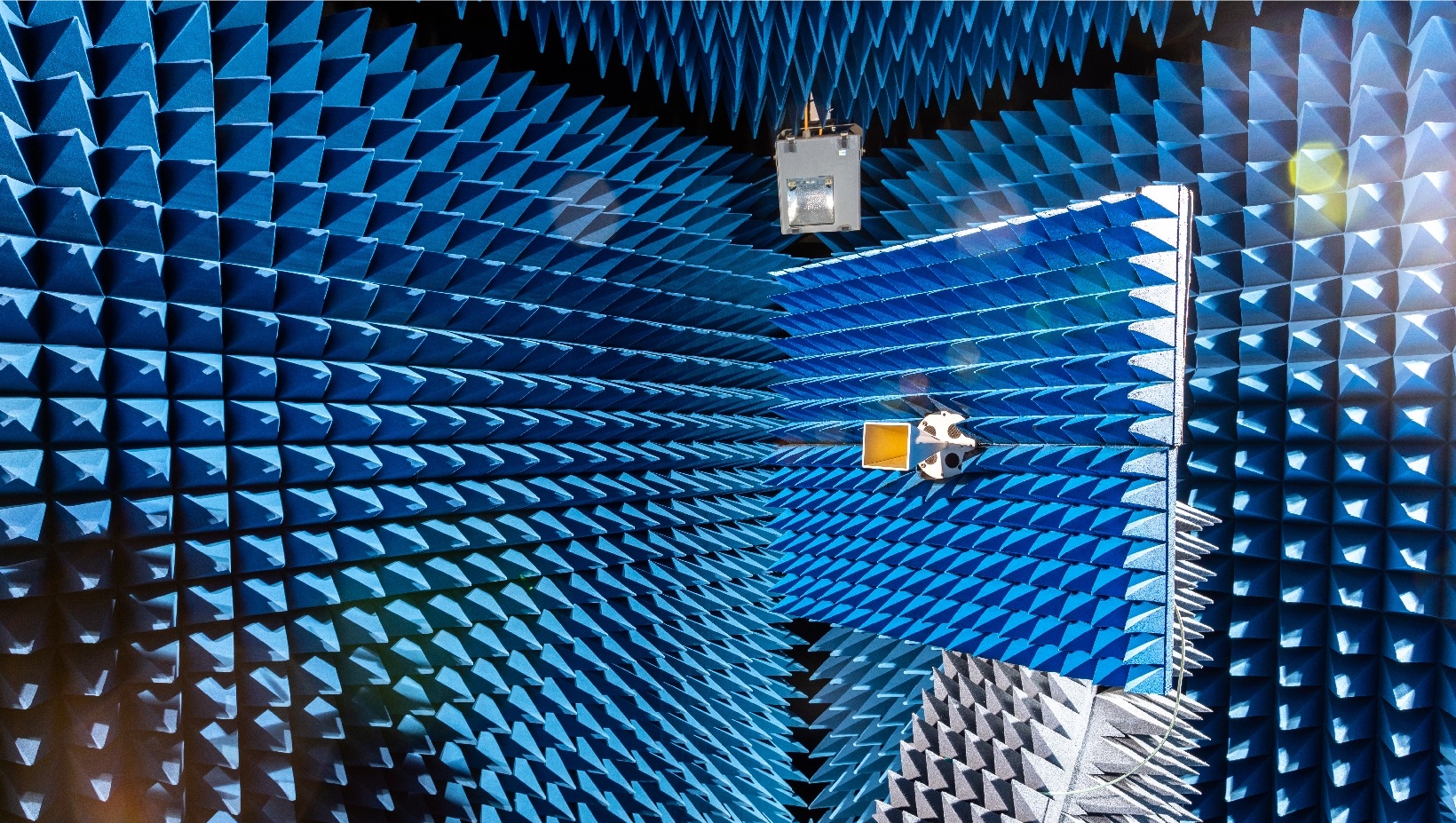
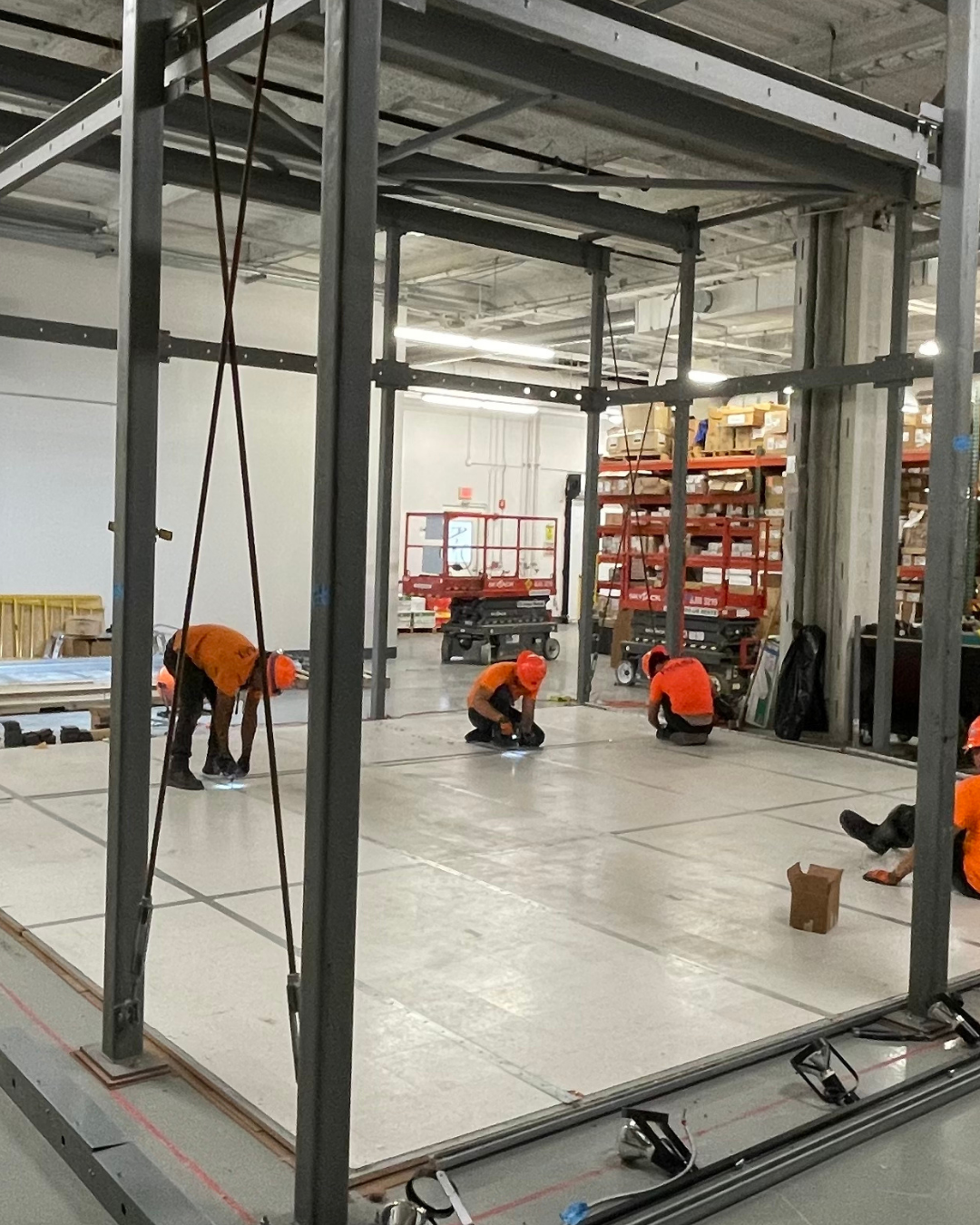
At Phoenix Group, we take pride in delivering world-class RF shielding solutions and supporting EMC and EMI compliance through specialized testing environments. Our team of experts builds test chambers and shielded rooms that meet the most rigorous industry requirements — because we believe precision is what drives real progress.
Need support with RF testing environments? Contact Phoenix Group today and let’s shape the future together.
Phoenix Group — Building the infrastructure behind tomorrow’s technologies.
Tags: RF Testing, RF Shielding, EMC Testing, EMI Protection, Smart Devices, Satellite Communication, 5G Testing, RF Compliance, Phoenix Group